Housing

Keep a routine visit within reach.

Keep a routine visit within reach.
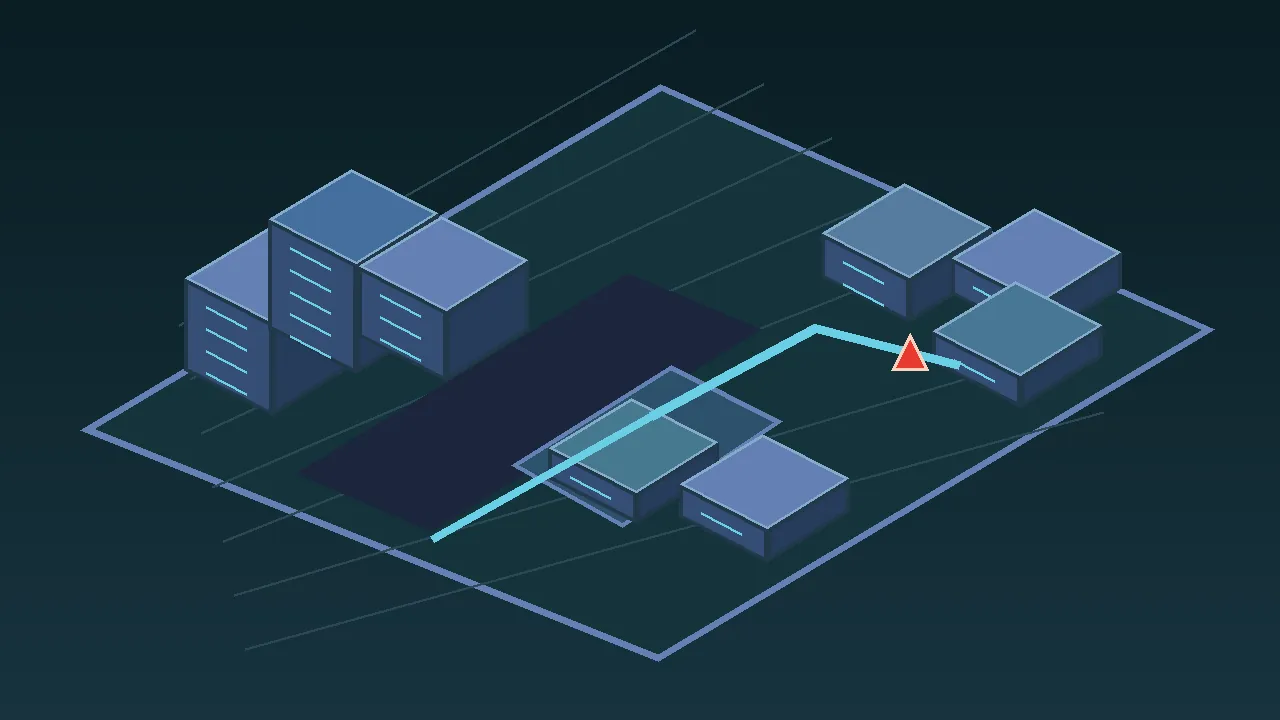
Let the new team see an earlier acknowledgement.
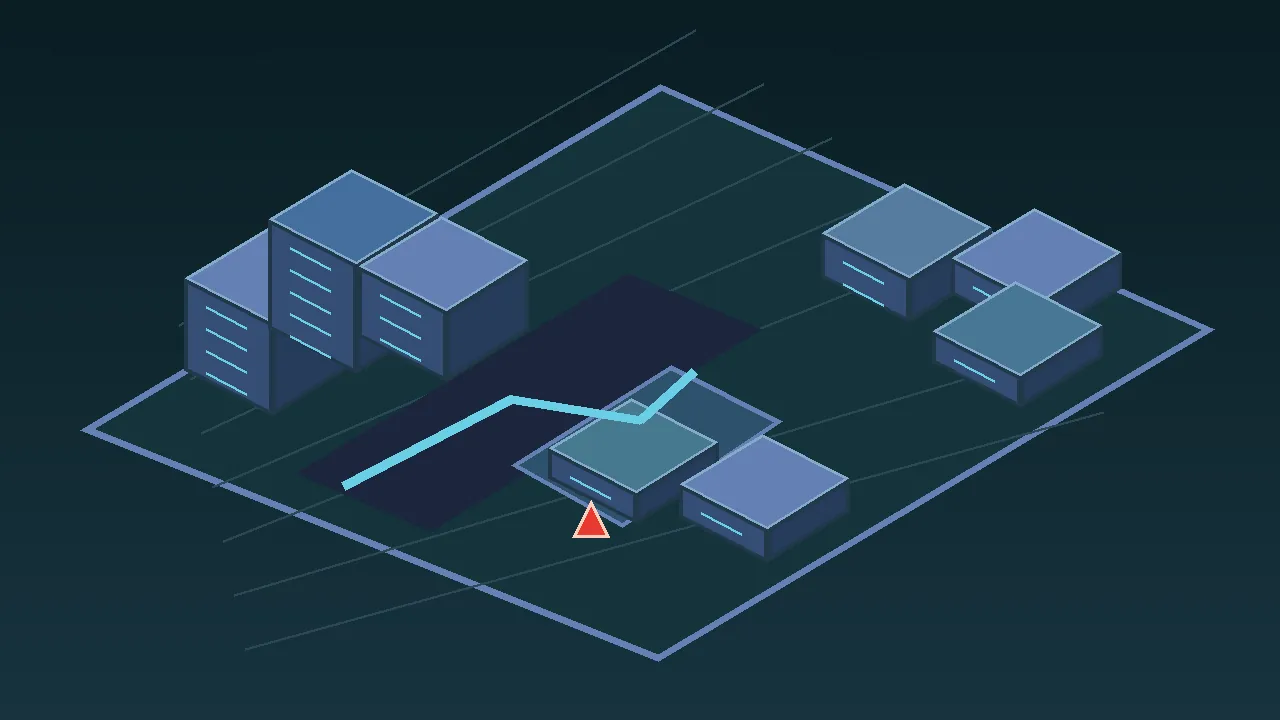
Read the request about the pedestrian gate.
The cases use streets and districts that only exist in the studio’s maps. Each tile indicates a request that leads to one of two prototype studies. A housing request asks a routine check to stay available after a new call. The market request follows a late worker near an open public gate. Public works gives the player a point at which to hand an unfinished request to the next team. Turn the filter off to see all opening points. The two case pages give each point its own role in a schedule.
One part of town can receive a visit while another still has a clear way to call for help. In the coverage case, the player can change who responds or leave a different team available in the same part of the night. In the handover case, a new person needs to see what the earlier team understood before they go to another district. The scenes name the delayed check and the first reachable step for a new request. Their pages display a stopped map that can be read while the player thinks through the next move.
The Municipal Sheets show how two coverage layers look against the same set of districts. Open an item about map marks to see why a quiet area keeps the same boundary after it changes color. Use the filter to return to a district where a later request can still get help. The focus is on choices in a fictional shared schedule. The notes give different tests for a point that stays reachable and a request that carries into the next shift. If you came from the map, the name on the tile gives you a place to find the earlier view in the case.