
A Pause at Shift Change
Open the first plan near the handover
At the far side of the works yard a team waits to finish a routine public building check. Their shift is about to end. The next group can arrive first at the yard or at the housing block. An earlier visit will carry over either way. A householder later needs general assistance near an entrance that the new group can already reach. The plan gives the player the old acknowledgement, the new request and a time label for each. The first move they choose tells the new team where to be available before the older request is reassigned.
Hold one acknowledgement in sight
A team can understand that a request exists before it can take the next action. Put the acknowledgement near the original district. That gives the incoming team a place to see what was known during the previous shift. They can take the earlier request when a route appears or be ready to respond to the later one from where they are now. A change of route should leave the older acknowledgement available. A clear arrow can show the new responsibility after the old team leaves. Try two plans to see whether moving that handover point changes how soon someone else can reach a team.
Draw the coverage and the note on distinct layers
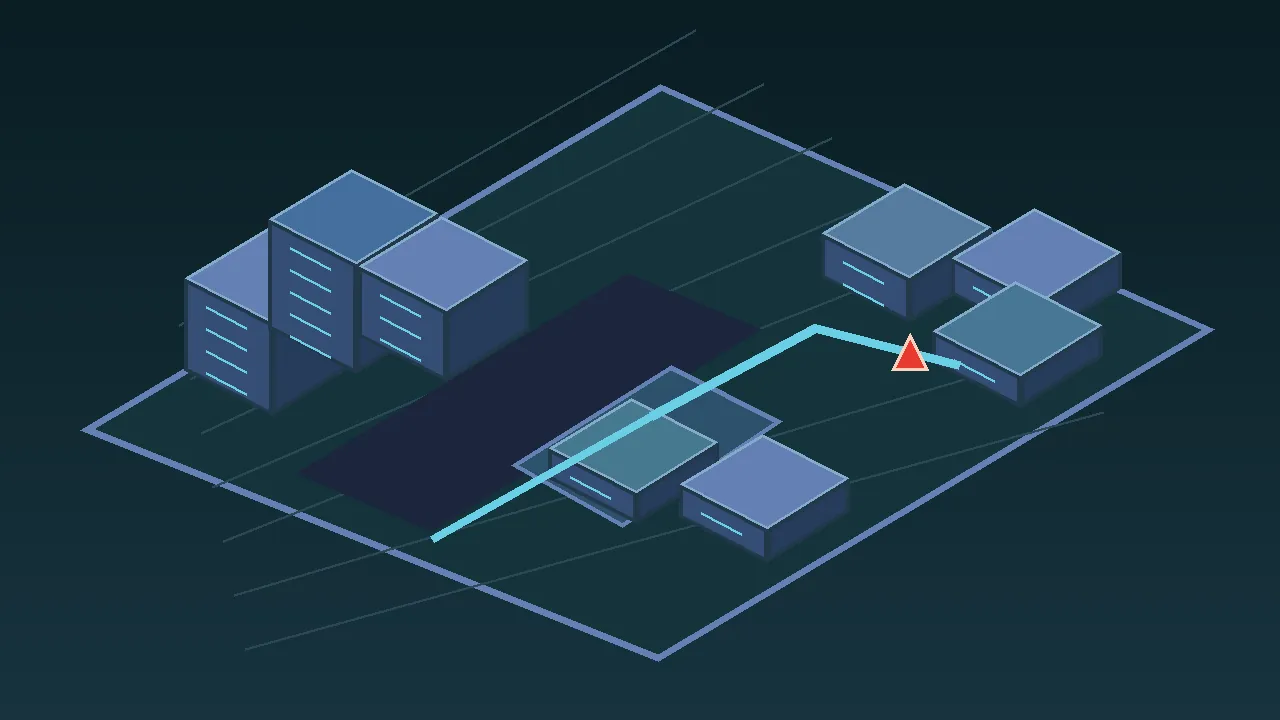
The prototype art assigns shallow blue blocks to places a team can read. It marks the current district on the upper plan and leaves a short note below the common lane. A red outline indicates a request that is still waiting for another action. The old note should remain readable in a stopped view. If the label carries into the next shift, place a second shape next to it to identify the new owner. Someone reading the map can then see which part of the city the new team intends to cover. A Minute of Overlap describes why the old and new labels sit in two places.
Reopen the earlier state to compare a new one
After a change, the current map shows one reopened route and one district where the team has not yet moved. Look at who can reach each place. A route from the works yard to the flats may leave an empty group that could help someone else. The trial lets you compare that result with a team waiting in another location and taking a different turn. It leaves the original call unchanged. Draw a Mark That Can Travel follows the small identifying clue we keep across those two views. Keep the first request in sight as the second reaches its next action.
What the handover needs to show
This is a concept and early prototype. We want a reader to identify a later request that still has a reachable service, and trace why that service is open after an earlier acknowledgement. The test stops once both requests have a clear next action or the plan identifies one reason a later request waits. All routes belong to the invented city in the game.